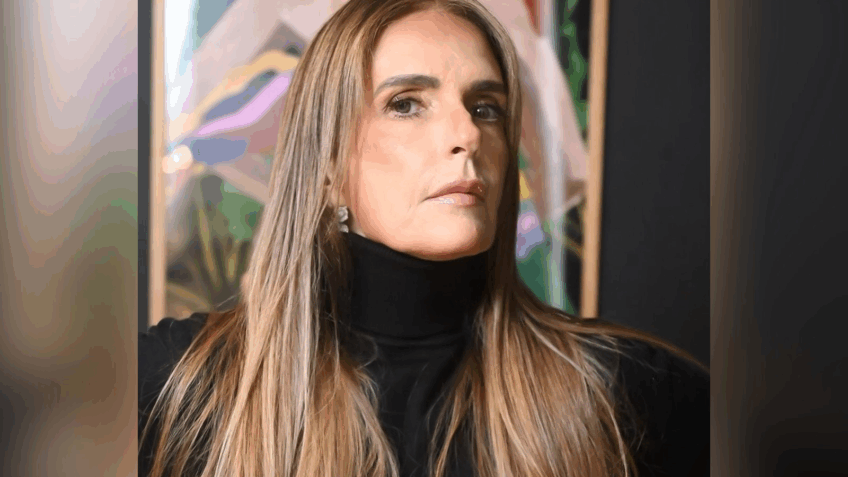
Angela Bulbol's Tragic Atropelamento: A Call for Enhanced Condominium Safety in Amazonas
The serene, often exclusive environment of a private condominium is typically sought for its promise of security and tranquility. Yet, even within these guarded confines, tragedy can strike with devastating force. Such was the case with Angela Bulbol, whose life was tragically cut short after a horrific atropelamento em condomínio in Amazonas. This heart-wrenching incident, which resulted in Angela Bulbol suffering brain death, serves as a stark reminder of the critical importance of robust safety protocols and vigilant awareness within residential communities. The phrase atropelada condomínio amazonas has become a somber echo, prompting crucial conversations about pedestrian and vehicle safety in shared private spaces, not just in Manaus but across Brazil.
While the specific details surrounding the incident involving Angela Bulbol remain largely private, the devastating outcome underscores a universal truth: accidents can happen anywhere, and proactive prevention is the only effective defense. This article delves into the potential circumstances, legal implications, and, most importantly, the actionable steps condominiums can take to prevent future tragedies and ensure the safety of all residents and visitors, especially concerning vehicle-related incidents within their premises.
The Unforeseen Tragedy: What Happened to Angela Bulbol?
The news of Angela Bulbol's brain death following an atropelamento em condomínio sent shockwaves through the local community in Amazonas. While the public record does not elaborate on the specific location within Amazonas, the precise time, or the exact circumstances of the accident, the core fact is unambiguous and profoundly tragic: a resident was struck by a vehicle within what should have been a secure and controlled environment. This type of incident, where a pedestrian is run over by a vehicle, is referred to as "atropelamento" in Portuguese, and its occurrence within a private condominium setting highlights a unique set of challenges.
An atropelada condomínio amazonas scenario often brings to light the complexities of internal traffic management. Was it a distracted driver? A child at play? Inadequate signage? Poor lighting? Or simply an unfortunate confluence of events? Regardless of the specific triggers, the consequence for Angela Bulbol was irreversible. Her passing marks not just a personal loss for her family and friends but also a communal tragedy that forces condominium administrations and residents alike to re-evaluate their perception of safety. It compels us to move beyond the assumption of security that gated communities often project and instead scrutinize the practical measures in place to protect vulnerable pedestrians from vehicular traffic within their own neighborhoods.
Navigating Liability and Legal Ramifications in Private Condominiums
When an incident like the one involving Angela Bulbol, an atropelamento em condomínio, occurs, the legal ramifications can be intricate and far-reaching. The question of liability becomes paramount. Who bears responsibility for such a tragedy? In Brazil, as in many jurisdictions, potential liability can extend to several parties:
- The Driver: If the driver of the vehicle was negligent (e.g., speeding, distracted driving, driving under the influence, or simply failing to observe pedestrian right-of-way), they can face both civil and criminal charges. Civil liability would cover damages and compensation for the victim's family, while criminal charges could range from manslaughter to vehicular homicide, depending on the specifics and intent.
- The Condominium Administration/Management: The condominium itself, through its administration, has a duty to ensure the safety of its residents and visitors. If it can be proven that the condominium failed to implement adequate safety measures (e.g., lack of proper signage, insufficient speed bumps, poor lighting, or unmonitored vehicle access) that directly contributed to the accident, they could also be held civilly liable. This responsibility is outlined in various articles of the Brazilian Civil Code and specific condominium laws.
- Maintenance Companies: In some cases, third-party companies responsible for road maintenance, lighting, or security infrastructure might share liability if their negligence led to unsafe conditions.
Investigations into an atropelada condomínio amazonas event typically involve gathering evidence from security camera footage, eyewitness accounts, vehicle inspections, and site assessments. The objective is to reconstruct the event and determine the contributing factors and thus, assign responsibility. This meticulous process is crucial for legal proceedings and for implementing corrective measures to prevent recurrence. Understanding these complexities is vital for any community facing such a crisis. For a deeper dive into the legal landscape, you can read more at The Angela Bulbol Case: Examining Atropelamento in Private Spaces.
Essential Safety Protocols to Prevent Condominium Accidents in Amazonas and Beyond
The tragedy of Angela Bulbol underscores the urgent need for comprehensive safety protocols within all condominiums. While the specific environment of Amazonas might present unique considerations (e.g., heavy rainfall affecting visibility, lush vegetation requiring specific lighting solutions), many best practices are universally applicable.
For Condominium Management and Administration:
- Clear and Enforced Speed Limits: Implement and rigorously enforce low-speed limits (e.g., 10-20 km/h) throughout the condominium. Use prominent signage and consider electronic speed displays that alert drivers.
- Physical Traffic Calming Measures: Install well-marked speed bumps (lombadas), raised pedestrian crossings, and chicanes where appropriate. These physical barriers force drivers to reduce speed.
- Dedicated Pedestrian Pathways: Clearly demarcate and maintain separate sidewalks and walking paths. Ensure they are free from obstructions and well-lit.
- Adequate Lighting: Ensure all roads, pathways, parking areas, and common spaces are brightly lit, especially at night. Poor visibility is a major contributing factor to accidents.
- Strategic Signage: Beyond speed limits, place "Children At Play," "Pedestrian Crossing," and "Blind Curve" signs in high-risk areas.
- Security Camera Systems: Install high-resolution cameras at key intersections and along main thoroughfares. These act as both deterrents and vital evidence in case of an incident.
- Resident Education and Awareness Campaigns: Regularly communicate safety guidelines to all residents and staff. Emphasize responsible driving, pedestrian vigilance, and child supervision.
- Regular Safety Audits: Conduct periodic assessments of the condominium's traffic and pedestrian infrastructure to identify potential hazards and areas for improvement.
- Emergency Response Plan: Have a clear, well-rehearsed plan for responding to accidents, including contact information for emergency services and first responders.
For Residents (Drivers and Pedestrians):
- Drivers: Always adhere to speed limits, be extra vigilant for pedestrians (especially children), avoid distractions like mobile phones, and yield to pedestrians at crossings.
- Pedestrians: Use designated sidewalks and crosswalks, make eye contact with drivers, avoid distractions, and wear reflective clothing at night.
- Parents: Supervise children closely, educate them about traffic safety, and ensure they play in designated safe areas away from vehicle traffic.
These proactive measures are not just bureaucratic requirements; they are life-saving interventions. The incident of atropelada condomínio amazonas serves as a powerful testament to their necessity. For more on how to secure your community, explore Condominium Safety Concerns After Angela Bulbol's Incident.
Fostering a Culture of Vigilance: Beyond Regulations
While establishing and enforcing robust safety protocols is fundamental, true condominium safety extends beyond mere regulations. It requires cultivating a collective culture of vigilance, responsibility, and empathy among all residents. In communities like those found in Amazonas, where large, often sprawling condominiums are common, this cultural shift is even more critical.
A proactive community encourages residents to be the "eyes and ears" of the condominium. This means reporting broken lights, faded signage, or dangerous driving practices. Regular community meetings can serve as platforms to discuss safety concerns, share observations, and collectively decide on improvements. Furthermore, the role of security personnel should not be limited to gate access; they should also be empowered and trained to monitor internal traffic, gently remind drivers of speed limits, and respond swiftly to any incidents.
Children, in particular, are vulnerable within condominium environments. Educating them about road safety from a young age and providing safe, supervised play areas away from vehicular traffic are paramount. Pet owners also have a role to play, ensuring their animals do not unexpectedly dart into traffic lanes. Ultimately, a condominium thrives when its inhabitants view shared spaces not just as an extension of their private property, but as a collective responsibility, fostering an environment where everyone looks out for one another. This collaborative spirit, combined with diligently maintained infrastructure, forms the strongest defense against future tragedies like the atropelada condomínio amazonas that claimed Angela Bulbol's life.
Conclusion
Angela Bulbol's tragic atropelamento em condomínio in Amazonas serves as a poignant and urgent reminder that safety within private residential communities can never be taken for granted. While the specific details of her accident may remain private, its devastating outcome should echo as a wake-up call for condominium administrations, residents, and authorities alike. The phrase atropelada condomínio amazonas should not just be a memory of loss, but a catalyst for profound change.
By implementing strict traffic calming measures, ensuring adequate lighting and clear signage, fostering robust resident education, and cultivating a community-wide culture of vigilance, condominiums can significantly mitigate the risks of such incidents. The ultimate goal is to transform these private spaces into truly secure sanctuaries where every pedestrian, regardless of age, can move freely and safely, and where drivers operate with the utmost responsibility. It is through these collective efforts that we can honor Angela Bulbol's memory and work towards a future where no other family has to endure a similar tragedy within the supposed safety of their home.